

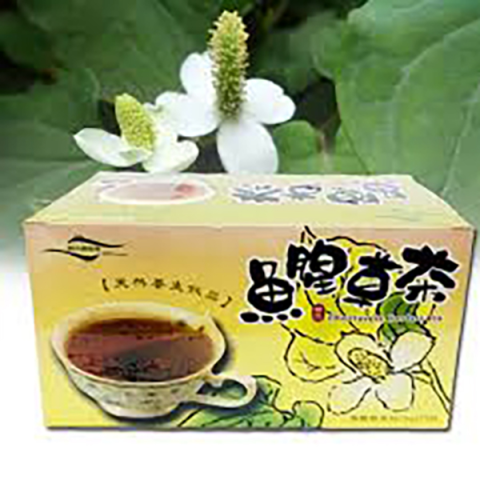

| Product name | Sam-hap Eoseong Medicinal Tea |
|---|---|
| Descripción | It clears heat and detoxifies the body, promotes urination to reduce swelling, stops dysentery caused by heat, promotes tissue regeneration, and is effective for wound healing as well as detoxifying infections of the throat and bones. |
| Price | MXN$450 |
| Order quantity |
|
| Sum |
Sam-hap Eoseong Medicinal Tea
三合鱼腥茶 (Three-Ingredient Houttuynia Decoction)
Sam-hap Eoseong Tea (三合鱼腥茶) is a traditional folk medicinal dietary recipe.
Its main ingredients are duck tongue, pork ribs, and Houttuynia cordata (Houttuynia herb).
This combination is known for its diuretic and anti-edema effects.
During preparation, the three ingredients are simmered together with ginger, and salt may be added to taste.
Characteristics
- It has a slightly fishy aroma, but the flavor is clean and mildly sweet.
TCM Benefits
According to Traditional Chinese Medicine:
- Houttuynia cordata (鱼腥草)
• Pungent and slightly cold - Duck tongue (鸭舌)
• Sweet and slightly cold
When boiled together with pork ribs, the formula helps:
- Clear heat and detoxify
- Promote urination and reduce swelling
- Treat dysentery due to heat-toxins
- Promote tissue regeneration
- Aid wound healing
- Clear infections of the throat and bones (osteomyelitis-type infections)
Ingredients
- Duck tongue (鸭舌) — 90 g
- Pork ribs (猪小排骨) — 90 g
- Houttuynia cordata (鱼腥草) — 90 g
Seasonings
- Ginger (生姜) — 1 slice
- Salt (盐) — to taste
Preparation
- Wash the Houttuynia cordata thoroughly and wrap it in a piece of gauze.
- Wash the duck tongues and pork ribs; cut the ribs into bite-size pieces.
Place the Houttuynia (wrapped), pork ribs, duck tongues, and ginger into a clay pot.
Add an appropriate amount of water.
Bring to a boil over high heat, then reduce to low heat and simmer until the duck tongues become tender. - Remove the Houttuynia residue, season with salt, and serve.
Houttuynia cordata (鱼腥草)
Houttuynia cordata, known in Chinese medicine as Jicai (蕺菜) or Chousaocao (臭臊草), is both a medicinal herb and an edible plant.
Its name “fishy-smell herb” comes from its distinctive odor, especially noticeable in the fresh leaves.
Main Functions & Pharmacological Effects
In TCM, Houttuynia is:
- Acrid (辛)
- Slightly cold (微寒)
- Enters the Lung meridian (肺经)
1. Clears heat and detoxifies (清热解毒)
Used for:
- Lung infections
- Pharyngitis
- Acute enteritis
It was included in several herbal formulas during the COVID-19 pandemic.
2. Dispels abscesses and drains pus (消痈排脓)
Effective for:
- Skin infections
- Lung abscesses (肺痈)
3. Promotes urination and relieves strangury (利尿通淋)
Contains quercetin glycosides that:
- Dilate renal blood vessels
- Increase renal blood flow
Used for: - Urinary tract infections
- Chronic nephritis
4. Antibacterial & antiviral
Modern pharmacology shows that:
- The compound decanoyl acetaldehyde (鱼腥草素) inhibits the growth of many pathogens
- Enhances leukocyte phagocytosis
- Supports immune function
5. Additional effects
- Antitussive and anti-asthmatic
- Analgesic and anti-inflammatory
- As an external poultice, reduces boils and inflammation
Culinary Uses
Houttuynia can be used medicinally or as food.
1. Cold salad
- Fresh roots or leaves are rinsed and soaked in lightly salted water
- Used widely in southwestern China
2. Decoction / Herbal Tea
- Fresh or dried Houttuynia is simmered for 15–30 minutes
(Avoid overly long boiling to prevent loss of volatile compounds.)
3. Stir-fry
- Quick frying with scallions, ginger, garlic, and chili
Precautions & Contraindications
❌ Contraindicated for certain constitutions
Because Houttuynia is cold in nature, it should be avoided or used cautiously by:
- Individuals with spleen–stomach deficiency cold
(easy abdominal pain, loose stools, cold hands/feet) - Women during menstruation
❌ Possible allergic reactions
Some people may experience:
- Gastrointestinal discomfort
- Skin rash
- Rarely, anaphylaxis
❌ Concerns about aristolochic acid
There have been concerns that Houttuynia may contain trace amounts of aristolochic acid.
Although normal dietary intake is considered low-risk:
- People with kidney disease should avoid it
- Long-term or high-dose intake is not recommended
✔ Must be used under professional supervision when taken medicinally
Herbal/medicinal use should be supervised by a licensed TCM practitioner or herbal medical doctor.