

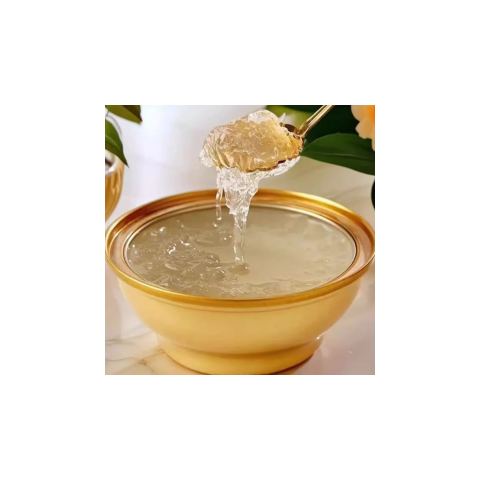

| Product name | Coconut Bird’s Nest Chicken Nourishing Soup |
|---|---|
| Descripción | It is a perfect nourishing tonic food for people recovering from illness, postpartum women, and those experiencing fatigue and blood deficiency. Rich in nutrients and characterized by a mild, delicate flavor, it is considered one of the best health-b |
| Price | MXN$450 |
| Order quantity |
|
| Sum |
Coconut Bird’s Nest Chicken Nourishing Soup
椰子燕窝鸡肉汤
Coconut Bird’s Nest Chicken Tonic Soup is a luxurious and highly nutritious restorative dish that combines bird’s nest (燕窝),
coconut (椰子), and hen/chicken (母鸡).
This nourishing soup replenishes Qi and Blood, moisturizes the skin, strengthens the body, and is especially suitable for people who experience fatigue, weakness, or blood deficiency (血虚) and require recovery.
TCM Benefits
This tonic soup is ideal for individuals recovering from illness, postpartum women, and those suffering from chronic fatigue or blood deficiency.
Rich in nutrients with a mild and delicate flavor, this summer health soup is considered one of the best restorative tonics in traditional Chinese cuisine.
Ingredients
- Bird’s nest (燕窝) – 5 qian (approx. 20 g)
- Coconut (椰子) – ½ piece, flesh removed and cut into chunks
- Chinese yam (淮山) – 2 qian (approx. 8 g), thinly sliced
- Goji berries (杞子) – 2 qian (approx. 8 g)
- Ginger (生姜) – 2 slices
- Red dates (红枣) – 2 pieces, pitted
- Hen (母鸡) – 1 whole chicken, cleaned
- Salt (盐) – to taste
Cooking Instructions
1. Prepare the Ingredients
- Soak the bird’s nest (燕窝) in water until fully expanded, then rinse clean.
- Remove the flesh from the coconut (椰子) and cut into pieces.
- Slice the Chinese yam (淮山) thinly.
- Peel and slice the ginger (生姜).
- Remove the pits from the red dates (红枣).
2. Prepare the Chicken
- Wash the hen (母鸡) thoroughly and remove impurities.
- Remove any remaining feathers, internal organs, and excess fat.
3. Simmer the Soup
- Place the chicken, bird’s nest, coconut, Chinese yam, goji berries, ginger, and red dates into a double boiler or regular pot.
- Add enough boiling water to cover all the ingredients.
- Cover with a lid and simmer over low heat for 4 hours.
4. Final Seasoning & Serving
- Season lightly with salt (盐, yán) before serving.
- Serve warm.
Health Benefits
• Bird’s Nest (燕窝)
- Replenishes Qi and Blood, improves skin elasticity, and has anti-aging effects.
- Moistens the lungs and helps relieve dry cough.
• Coconut (椰子)
- Nourishes the body and improves digestion.
- Enhances immunity and provides natural energy.
• Chinese Yam (淮山)
- Strengthens the spleen and stomach, improving digestion.
- Supports lung and kidney function.
• Goji Berries (杞子)
- Tonifies the liver and kidneys, supports vision, and enhances immunity.
• Chicken (母鸡)
- Rich in protein; promotes muscle building and tissue repair.
- Provides warmth and energy to the body.
Precautions
- Avoid overcooking bird’s nest, as excessive heat may destroy nutrients.
- Individuals with excess stomach acid or gallbladder disorders should avoid consuming too much chicken broth, as it may stimulate acid secretion or gallbladder contraction.
Bird’s Nest (燕窝)
Bird’s nest is made from the saliva of the swiftlet (金丝燕), mixed with fine feathers and plant fibers. It is considered a premium tonic food, rich in protein, carbohydrates, and trace minerals.
It is commonly classified into cave bird’s nest (洞燕) and house bird’s nest (屋燕), and further categorized by shape such as nest cup (燕盏), nest corner (燕角), and nest strands (燕丝).
Types & Sources of Bird’s Nest
• Saliva of the Swiftlet (金丝燕)
The main component is the swiftlet’s saliva, combined with small feathers, grass fibers, and natural materials.
• Cave vs. House Bird’s Nest
- Cave bird’s nest (洞燕):
Found in natural caves or on cliffs; minerals in the environment can give it white, yellow, or red hues (“blood nest”). It has a firmer texture. - House bird’s nest (屋燕):
Harvested from man-made bird houses; usually ivory-colored, with a softer, smoother texture.
• Red Bird’s Nest (血燕)
The red color does not come from bird blood. It results from environmental minerals or natural oxidation.
Nutritional Components & Benefits
Key Nutrients
- Sialic acid
- Glycoproteins
- Amino acids
- Carbohydrates
- Minerals such as calcium, phosphorus, iron, and potassium
Traditional TCM Functions
- Neutral nature
- Nourishes Yin and moistens dryness (滋阴润燥)
- Resolves phlegm and relieves cough (化痰止咳)
- Tonifies the lungs and nourishes Yin (补肺养阴)
→ Helpful for chronic cough, hemoptysis, and Yin deficiency symptoms.
Modern Research
- Contains EGF (epidermal growth factor) → supports skin repair & cell regeneration
- Boosts immunity
- Aids recovery after illness
Consumption of Bird’s Nest
How to Eat
Bird’s nest is usually slow-cooked (炖煮) for best texture and absorption.
The culinary principle is:
“Match clear with clear, match soft with soft” (以清配清,以柔配柔).
During consumption, avoid spicy or greasy foods.
Contraindications
- Acute illnesses or common cold
- Protein allergies
- End-stage cancer patients
- Infants under 4 months old
Historical Anecdote
It is said that the Ming Dynasty navigator Zheng He (郑和) was among the first to consume bird’s nest.
How to Identify Genuine Bird’s Nest
- Appearance:
Genuine nests have a thread-like structure and become translucent when soaked. - Smell:
Should have a mild egg-white aroma; strong odors may indicate counterfeit products. - Touch:
Soaked bird’s nest should be springy and not break easily.
Fake ones often crumble or become mushy. - Burn Test:
When burned, genuine dry bird’s nest does not produce crackling or popping sounds.
Coconut (椰子)
Coconut (Cocos nucifera) is the fruit of the coconut palm, widely grown in tropical climates.
Nearly every part of the coconut—shell, water, and flesh—can be used.
Characteristics
- Hard outer shell with white flesh and clear coconut water inside.
- Grown mainly in Southeast Asia, South Asia, and Pacific Islands.
- Rich in healthy fats, fiber, manganese, and copper.
- Coconut water contains electrolytes such as potassium, sodium, calcium, and magnesium.
Uses
Edible Uses
- Coconut water: natural hydration and electrolyte replenishment
- Coconut flesh: eaten fresh, dried, or used in baking
- Coconut milk/cream: used in many tropical and Southeast Asian dishes
- Coconut oil: used for cooking; medium-chain triglycerides (MCTs) are easily absorbed
Non-edible Uses
- Skin & hair care: coconut oil is a natural moisturizer with antioxidant and anti-inflammatory properties
- Energy source: coconut-shell fiber contains piezoelectric cellulose crystals with emerging technological applications
Goji Berries (杞子)
Goji berry, also called wolfberry, comes from Lycium plants of the Solanaceae family.
Native to East Asia, especially Ningxia and Xinjiang, it is a bright orange-red berry with a sweet-tart flavor.
Uses & Benefits
- Tonifies the liver and kidneys
- Nourishes essence and brightens the eyes
- Contains vitamin C, β-carotene, iron, protein, and powerful antioxidants
- Supports vision, immunity, and emotional well-being
Consumption
- Eaten dried like raisins
- Used in teas, soups, porridges, salads, smoothies, or baked goods
- Made into juice or wine
Precautions
May interact with:
- Blood thinners (e.g., warfarin)
- Diabetes medications
Consult a healthcare provider if pregnant, on medication, or with chronic conditions.


